If you are interested in photography - subscribe annually to the Soviet photography magazine. The magazine is deliberately published in paper form to give you the pleasure of flipping through printed pages with large and high-quality photographs.
Text of the journal article
In today’s rapidly changing world, artificial intelligence is rapidly coming to the aid of people in many professions. Sometimes even too fast. He does not ignore the photo either. It’s no secret that modern generative neural networks allow you to create digital images that are practically indistinguishable from photographic ones. And we need to figure out how to treat this.
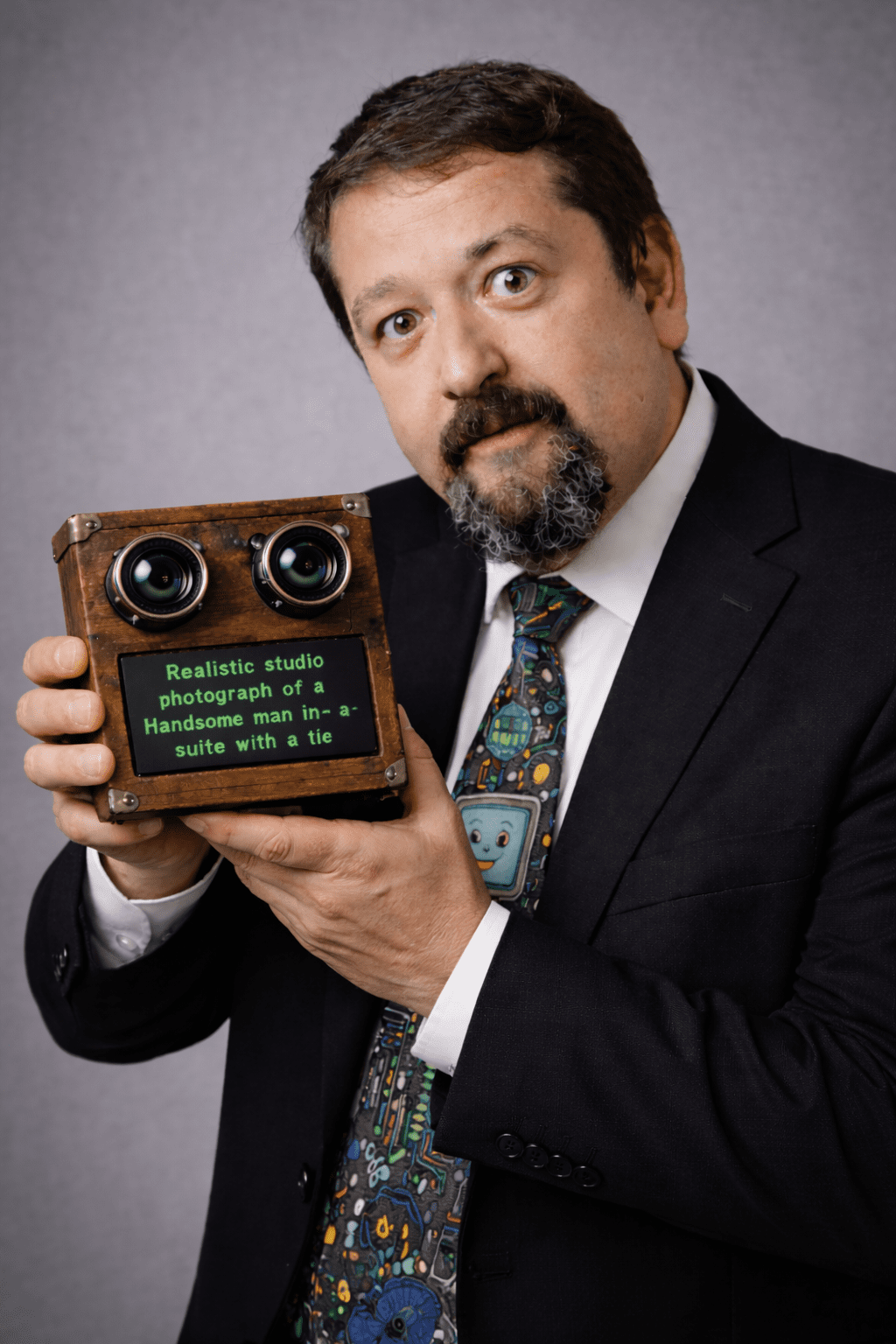
Autopromptrait of Dmitri Soshnikov with a promptograph, GPT Image 1.5 Promptography, 2026
As an AI specialist and a moderate techno-optimist, I can’t help but rejoice at AI’s success in image generation. However, most photographers are wary of such technological progress, defending the role of photography as an independent art of capturing reality, separating it from digital ways of creating images. Indeed, classical film photography is based on the chemical process of image fixation, which allows only a limited set of image manipulations (although let’s not forget about photomontage and special effects of film cinema).
As soon as we move on to the digital process of image capture using a photosensitive matrix, everything becomes more complicated. Modern digital cameras produce an image at the output, which can differ very significantly - usually for the better - from the original image formed by the light on the matrix. It’s not just about simple things like adjusting white balance or normalizing histograms. Sometimes the image resolution can be increased programmatically (for example, a neural network can draw hair or tree leaves where they merge together into one “mess” due to low resolution), imperfect lens optics can be corrected, or even some part of the image can be completed. There are cases when smartphones have painted the relief of the lunar surface on bright white spots in a photo in order to achieve a more realistic image of the moon.
Such post-processing of the sensor signal fits into the paradigm of computational photography, an approach in which computational processes are involved in the formation of images that are unattainable by purely optical means. Other examples of computational photography are the gluing of panoramas and the creation of HDR images. And although computational photography remains photography in the sense that the image in it is still mostly drawn with light, but its essential elements can be modified.
However, modern neural networks help us to go even further and create images without using light, with the help of pure thought expressed in verbal form - prompta. It is reasonable to call this type of image construction promptography, since it is the industrial, not the light, that is responsible for creating the image. To some extent, I am proud that I coined this term - although a couple of years before, in 2023, this term was already introduced by Berlin photographer Boris Eldagsen who refused the prestigious Sony World Photography Award, which they wanted to award him for an AI-generated image.
 |
|---|
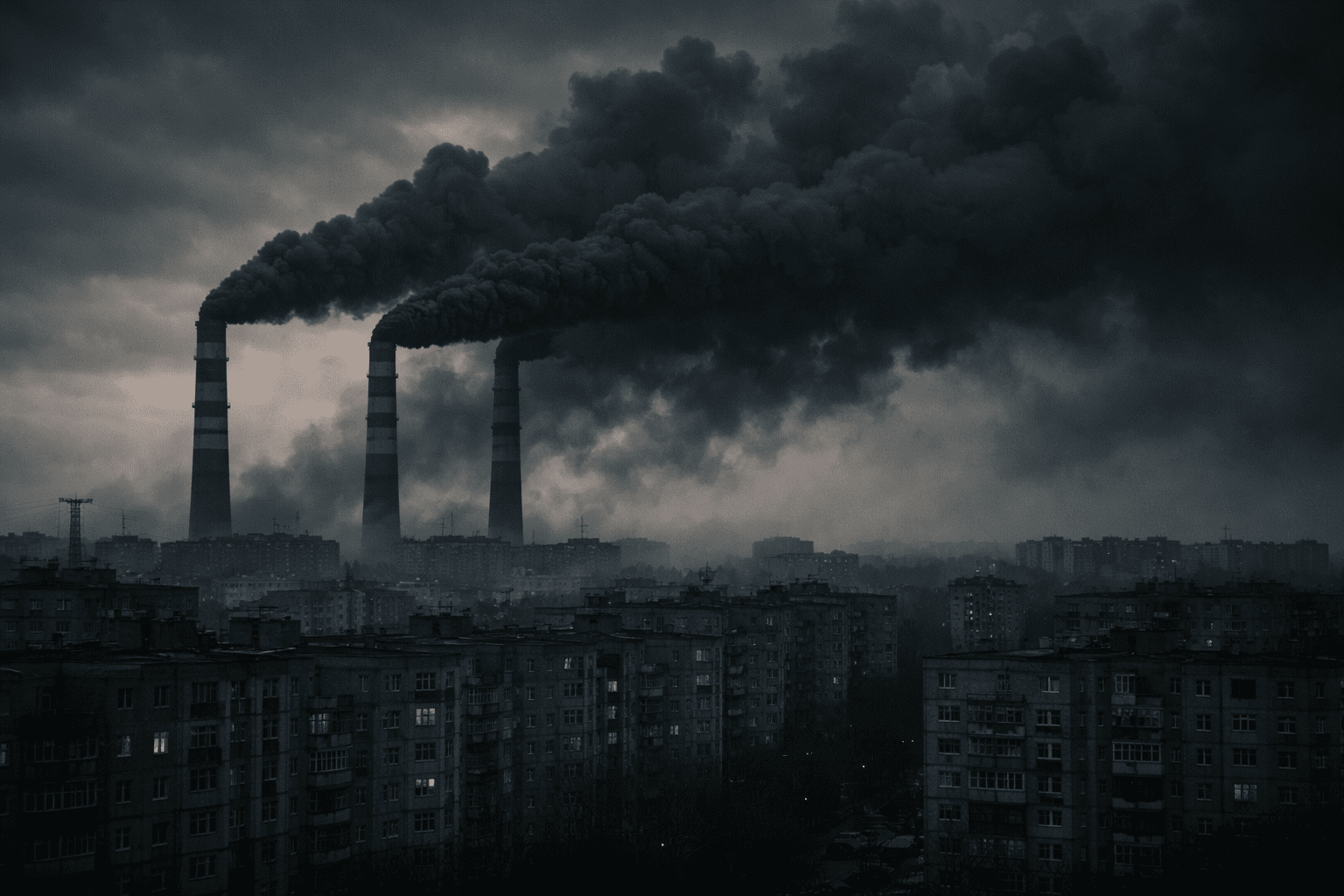
| Chimney City. Dmitry Soshnikov and GPT Images 1.5, Promptography, 2025 |
I’ll tell you the story of how I came up with this name. At one time, we discussed a lot with photographers how to treat generative neural networks, and what to call photorealistic generated images: neurophotography? Neurography? And then one day I’m driving in a taxi and I see from the window a beautiful urban landscape where chimneys spew black smoke into the dark pre-storm sky, and nearby the inhabitants of the metropolis huddle in their apartment buildings, waiting for a storm. It’s a strong, almost cinematic image that I see in the distance from the car window, and I certainly don’t have time to capture it on my smartphone. And that’s when I thought - I saw a landscape, its idea is already fixed in my mind, and it’s not necessary to try to get an image of this idea using light. You can do this using promptography - this will be promptography. Well, to simplify the process, it would be great to make such a camera application.: First, we photograph the world around us, even if it is not very beautiful and high-quality, then we get a detailed industrial image from the image, we can edit it a little, and then we generate a clean, high-quality industrial image from it. With this approach, the path from light to image lies through text and our common symbolic model of the world.…
What could possibly motivate us to use promptography in one form or another instead of photography? In addition to the case described above, there may be several reasons.
Art. The image of the impossible
Promptography allows us to obtain images to a certain extent that we would not be able to capture in reality - dinosaurs, giant futuristic architectural structures and much more. Unfortunately, the Internet is already flooded with a large number of AI-generated images, often low-grade: from seals in human costumes to photos of users with celebrities. They even came up with a special term for such content - neuroslop, from the English word “slop”.
Indeed, the relative simplicity of creating such images partially devalues their artistic value and generates a disdainful attitude on the part of professional photographers. Nevertheless, I am convinced that industrial photography, along with photography, has every right to exist.Just as the presence of a large number of “everyday” photographs does not make photography meaningless, and does not devalue the creations of real masters. Creating an industrial graphic image actually requires no less skill, knowledge and skills than photography itself - it’s just that an industrial photographer sits in front of a computer and does not need lighting equipment, which makes his work seem somewhat less professional.
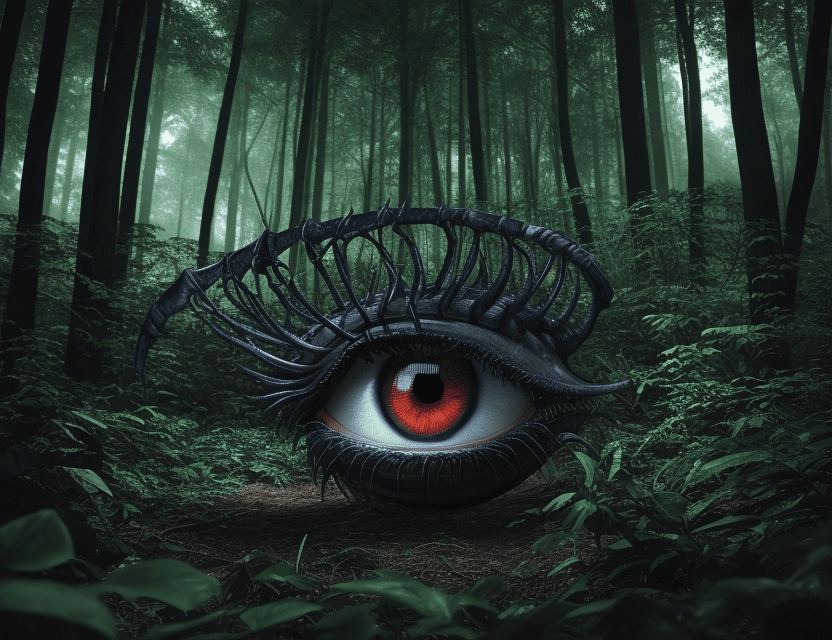
I will give you a personal example - the image that I prepared for the exhibition “Past and Non-past” at the Gallery Club in 2023. This image is interesting because it was created mainly by artificial intelligence. My initial association with the name of the exhibition was this: I wanted to portray some kind of mysterious thinking computer in the forest, there was no specific image in my head, except that something vague in the style of thinking glowing trees from the movie Avatar. As a result, among several other less attractive options, the neural network Leonardo.ai generated the image shown below. Since I didn’t have such an image in my head initially, I tend to perceive the neural network in this particular case as a full-fledged co-author of the image.
The reader may wonder why then the co-author, if the image was generated automatically by the neural network? Firstly, the formulation of the initial design took some effort, and it is thanks to the design that we see in the photo the detailed details, the green misty forest and the shooting “from the ground”. These are all the characteristics embedded in the image using prompta, along with the lighting parameters, the focal length of the lens, etc. Secondly, and this is probably the most important thing - this image was chosen by me from several options, most of which were significantly less attractive. Since only a person can feel, only he can say which creation of the neural network is most likely to cause an emotional response from another person.
 |
|---|
| Eye of the Forest, Dmitry Soshnikov and Leonardo.ai , promptography, 2023 |
Commercial shooting
One of the areas that generate demand for photography is commercial photography, when, for example, it is necessary to show a product (for example, a T-shirt) in a real environment. In this case, you need a model, a sample of the product, and the actual studio or location shooting.
Using promptography avoids the cost of not only the model, but also the production of a prototype product. For example, having several design options, we can visually test them in advance on photorealistic images, without making product samples and involving models. Next, we can, for example, launch sales even before the first samples roll off the assembly line. What is noteworthy is that if we generate an image of a model, then we don’t even need to sign a consent form to shoot it. However, other legal nuances are possible: for example, shareware models may not allow commercial use of the materials generated with their help at all. Therefore, it is important to consult with lawyers and carefully study the terms of use of the models that you use in your work.
 |  |
|---|
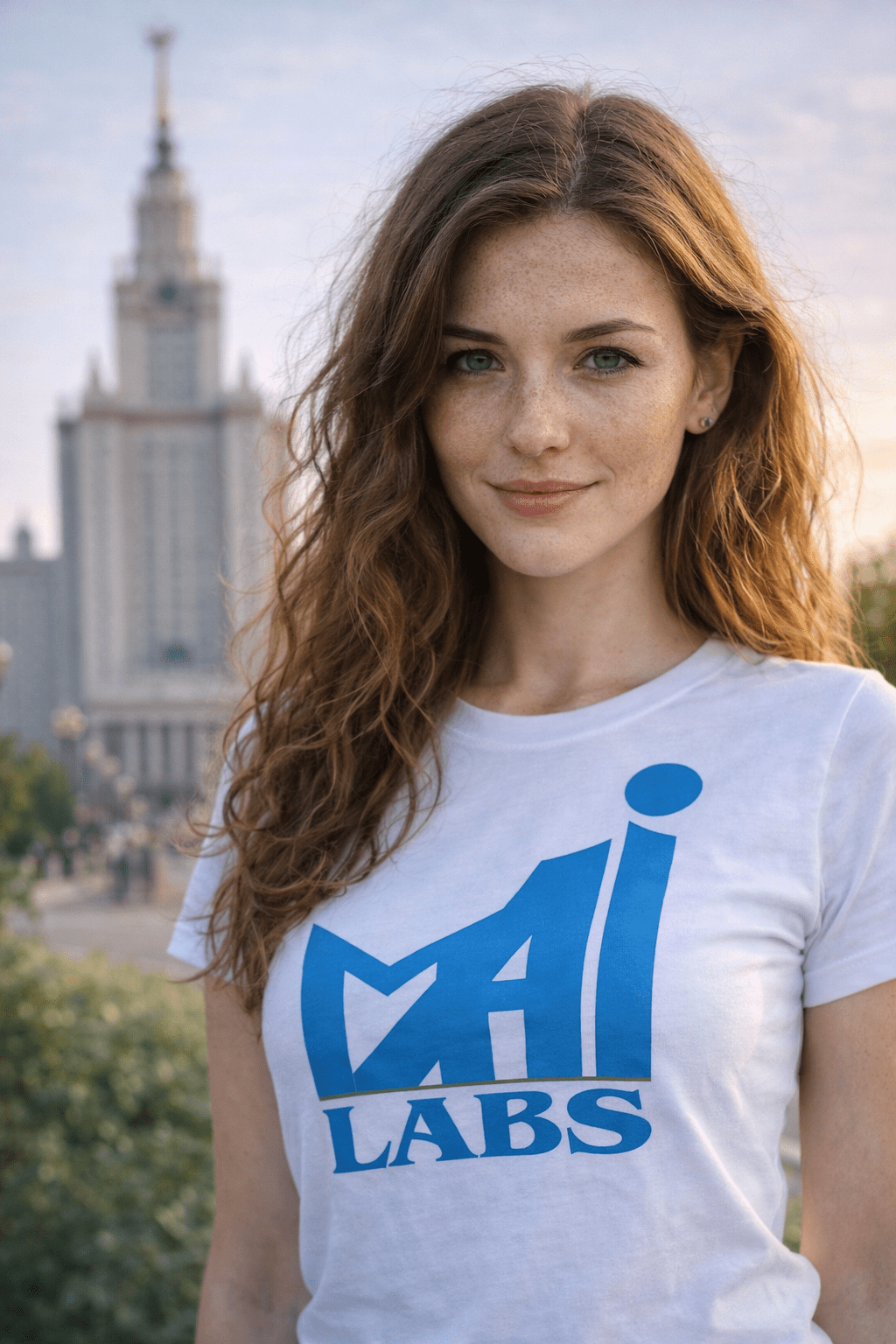
| The original logo | Promptography of the virtual model with the logo, GPT Images 1.5. |
Creating an image may seem like a simple task, but it’s not always the case. A simple “Create a photo of a model wearing a T-shirt with a logo attached” prompt leads to the creation of an overly toylike, “doll-like” image with absolutely smooth skin, so to enhance photorealism, it was necessary to add some additional elements of naturalness: freckles, slightly split hair, and a look directed at the camera.
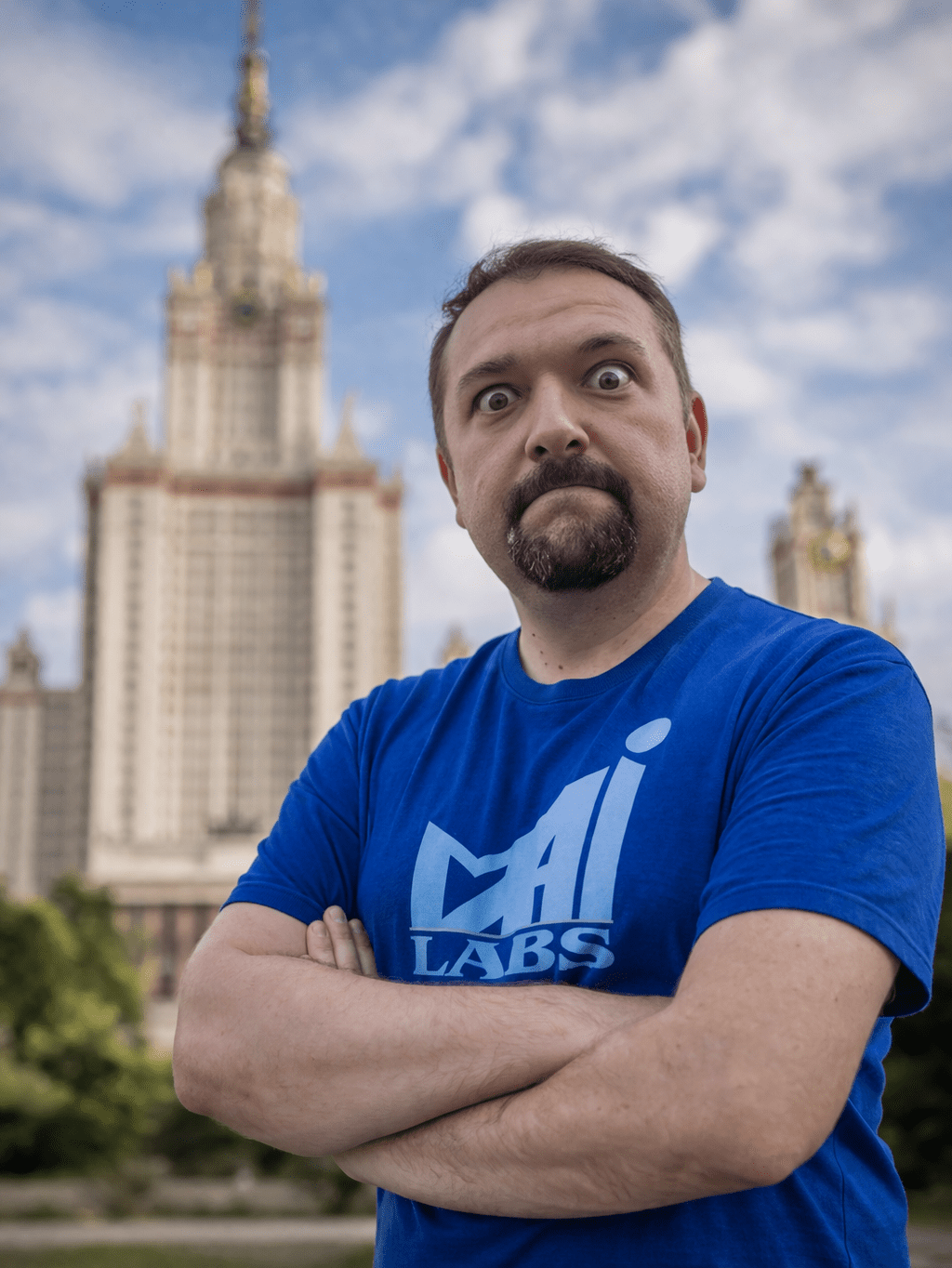
In this example, we are faced with a so-called multimodal neural network that accepts not only text as input, but also a logo image. Similarly, some initial photo can be submitted to the input of the neural network - for example, if we need to wear a T-shirt with a certain person’s logo.
 |  |
|---|
| The original photo of the author of the article | Its transformation into an advertising format |
Enhance existing photos
Multimodal networks can not only output an image, but also text. For example, we can use the neural network as a critic, asking her to comment and suggest improvements on various aspects of the image: composition, light, etc. This will be very useful to anyone who wants to improve their photography skills - in fact, you get a free (or inexpensive) personal coach who is ready to analyze your pictures and give useful advice.
For example, let’s ask the GPT neural network to criticize a simple “everyday” photo.:
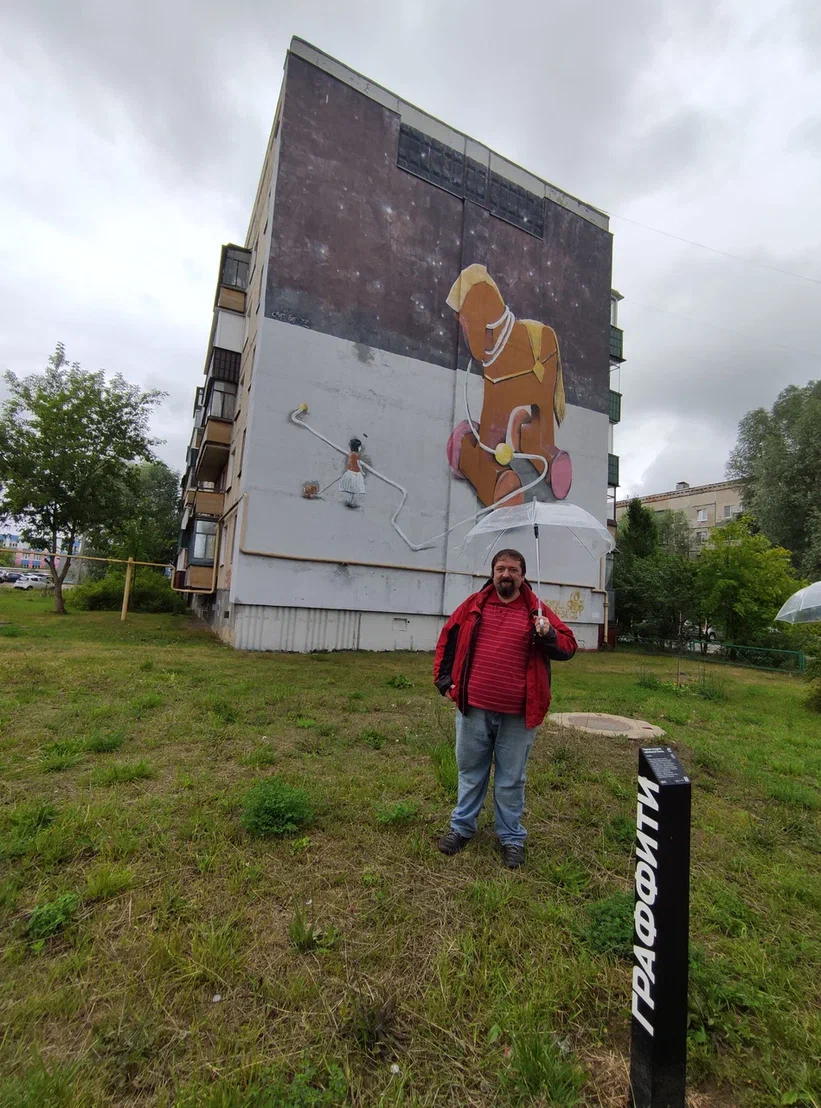 | Idea and plotThe strong side of the frame is a potential dialogue of scale: a small man against the background of a huge mural with a toy horse and a child. There is a theme of childhood, nostalgia, games, plus rain and an umbrella add atmosphere. But now this plot is not assembled into a single statement. The man just stands in front of the wall. There is no interaction between him and the image on the facade, neither compositional nor semantic. For street photography, the moment, the tension, the visual conflict is important. Here, it's more like a documentary photo of "me against the background of a mural." (then a few more pages of text...) |
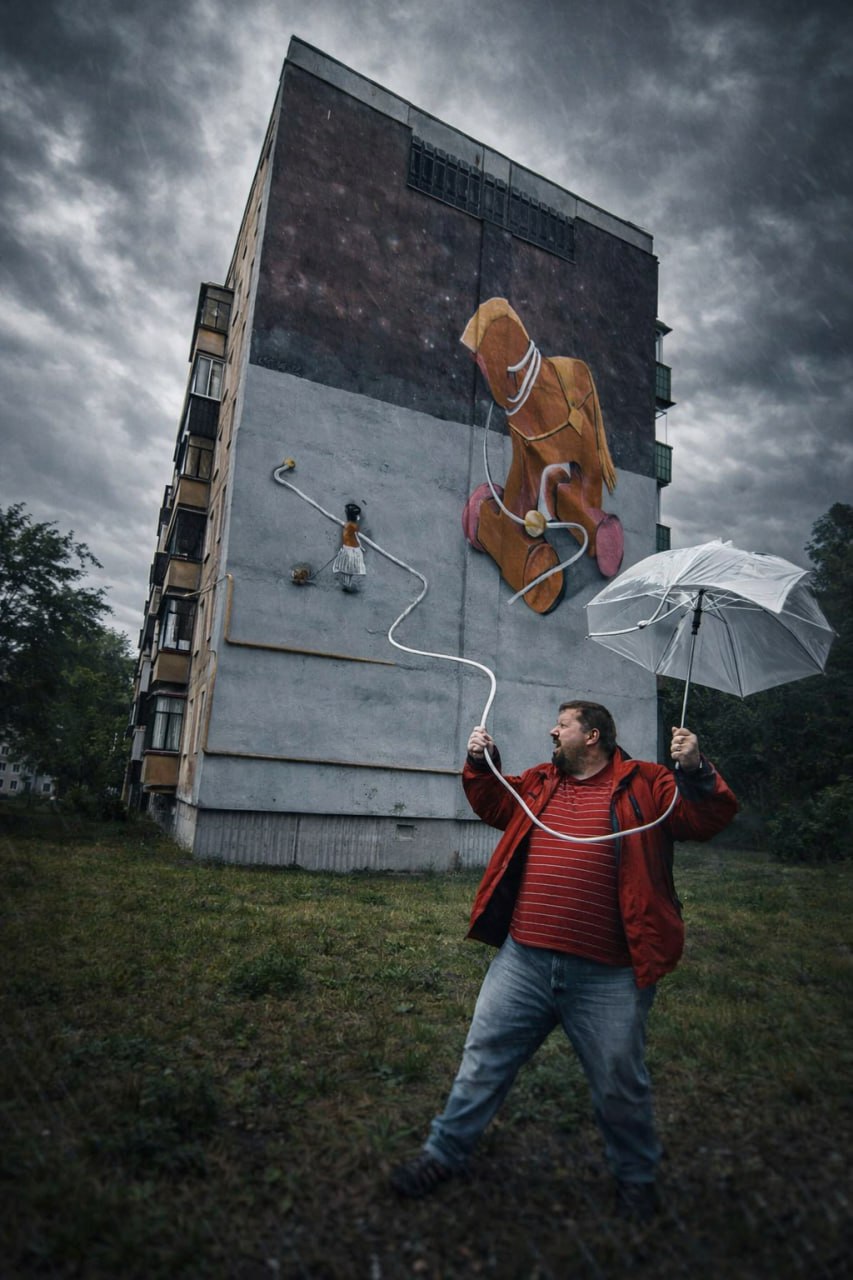
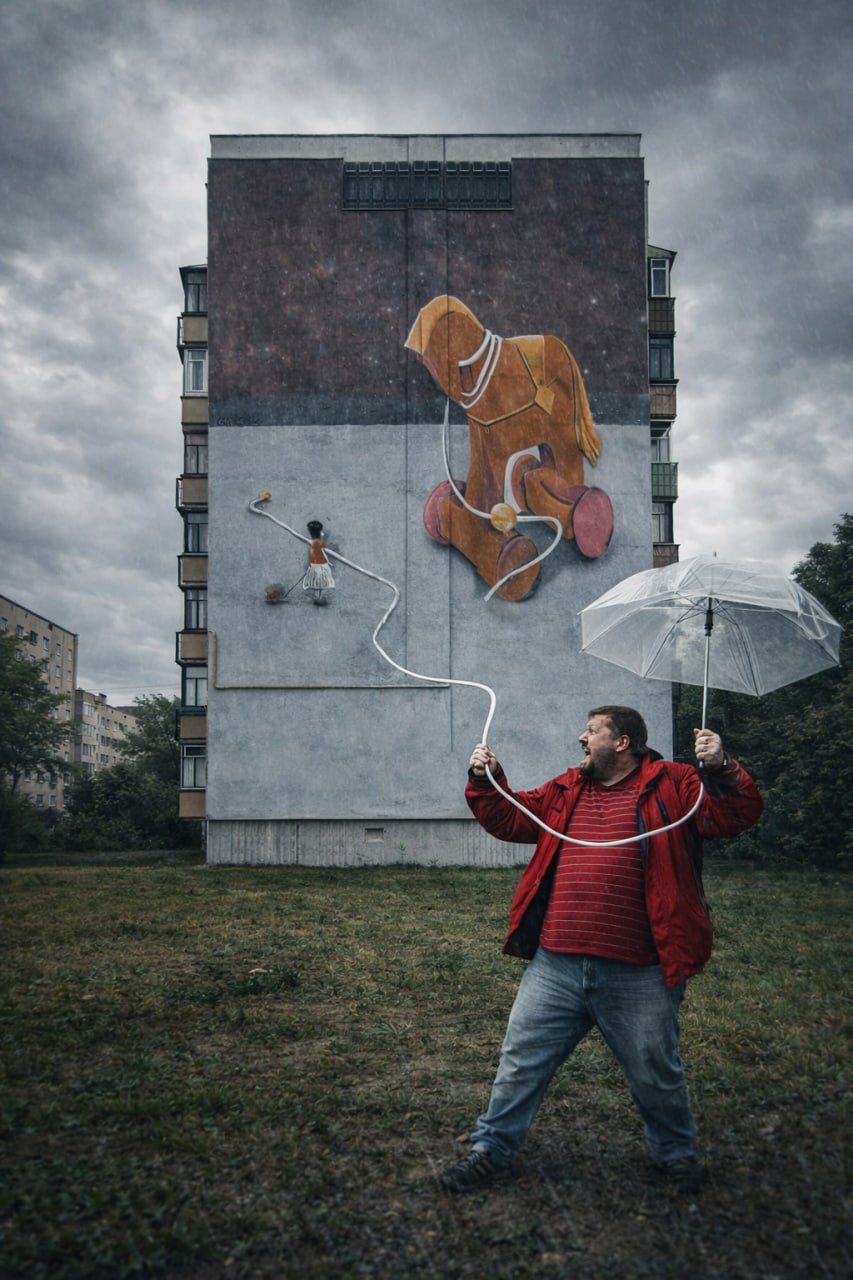
Now we can ask the same neural network to take into account all the comments it made and change the photo to make it more professional. Here are a couple of possible options:
 |  |
|---|
| Mitya and Mural, Option 1 | Mitya and Mural, Option 2 |
In this case, it would probably be wrong to call such an image entirely promptography. Although we used promptography to manipulate the image, we initially started from a digital image of reality generated by light. This is one example, located somewhere in the middle of the spectrum between photography and industrial photography.:
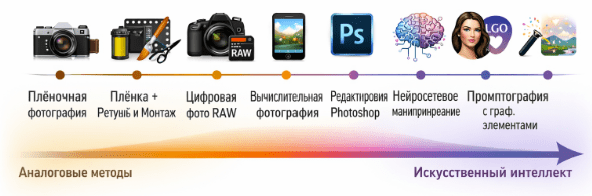
Will AI change photography?
Now it seems obvious that the emergence of neural networks capable of generating high-quality photorealistic images will have a significant impact on classical photography, just as the advent of photography had an impact on classical painting. Even if the quality of the graphic materials created by the neural network is currently not up to professional photo tools, the situation may change over the next few years or months. Therefore, the strategy of ignoring neural network tools is unlikely to be a winning one. It seems that it is much more correct to follow the rapid development of AI tools and try to understand how to properly integrate them into your creative cycle. In much the same way that film photographers, while continuing to shoot on film, do not completely ignore digital photography, but use it as an additional tool in their work.
How can neural networks be used in your work? In this article, I have tried to give a few recommendations, but this is certainly not the most complete list. Now everything is changing so fast that no one knows how to properly integrate neural networks into a work or creative process, and everyone is trying to find the right recipes. I highly recommend that all readers also take a look at neural network tools, and think with positive curiosity about how best to build the interaction of artificial and natural intelligence in such a way as to make collaboration even better, more efficient and enjoyable!
Bonus 1 - promptograph
Those who marked my photo at the beginning of the article with an incomprehensible device may not have understood what kind of device it is. This is a promptograph - a kind of camera that turns an image into an industrial image, and then draws an industrial image using this industrial image (possibly after several modifications of the industrial image by a human).
Using the magic of vibe coding, the other day I made such a camera app is a web application that can be saved to your smartphone and used as a mobile device. However, you will need your OpenAI key to operate it.
I was surprised at how detailed GPT generates prompta so that the result looks like the original. Judge for yourself:
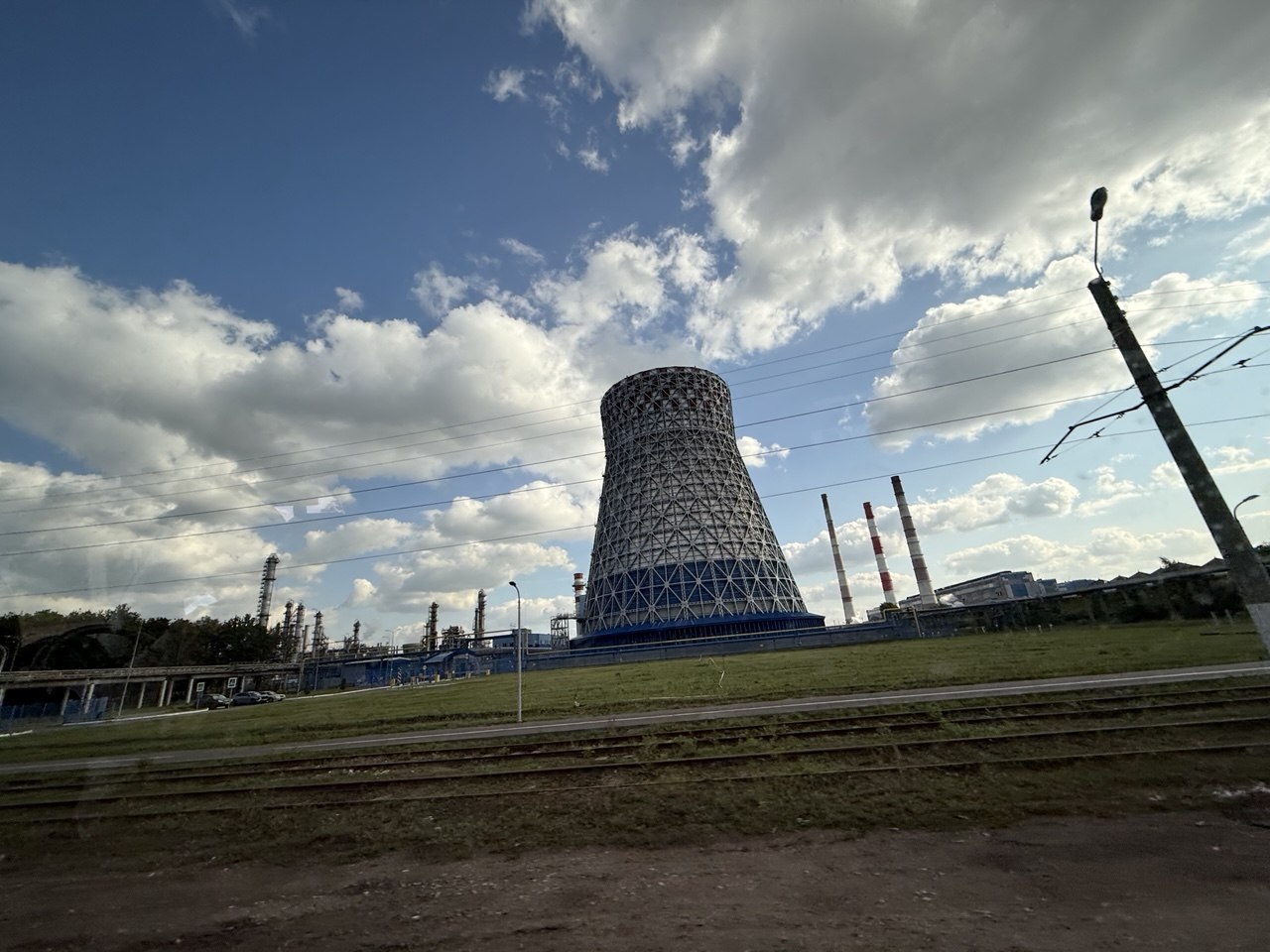 | 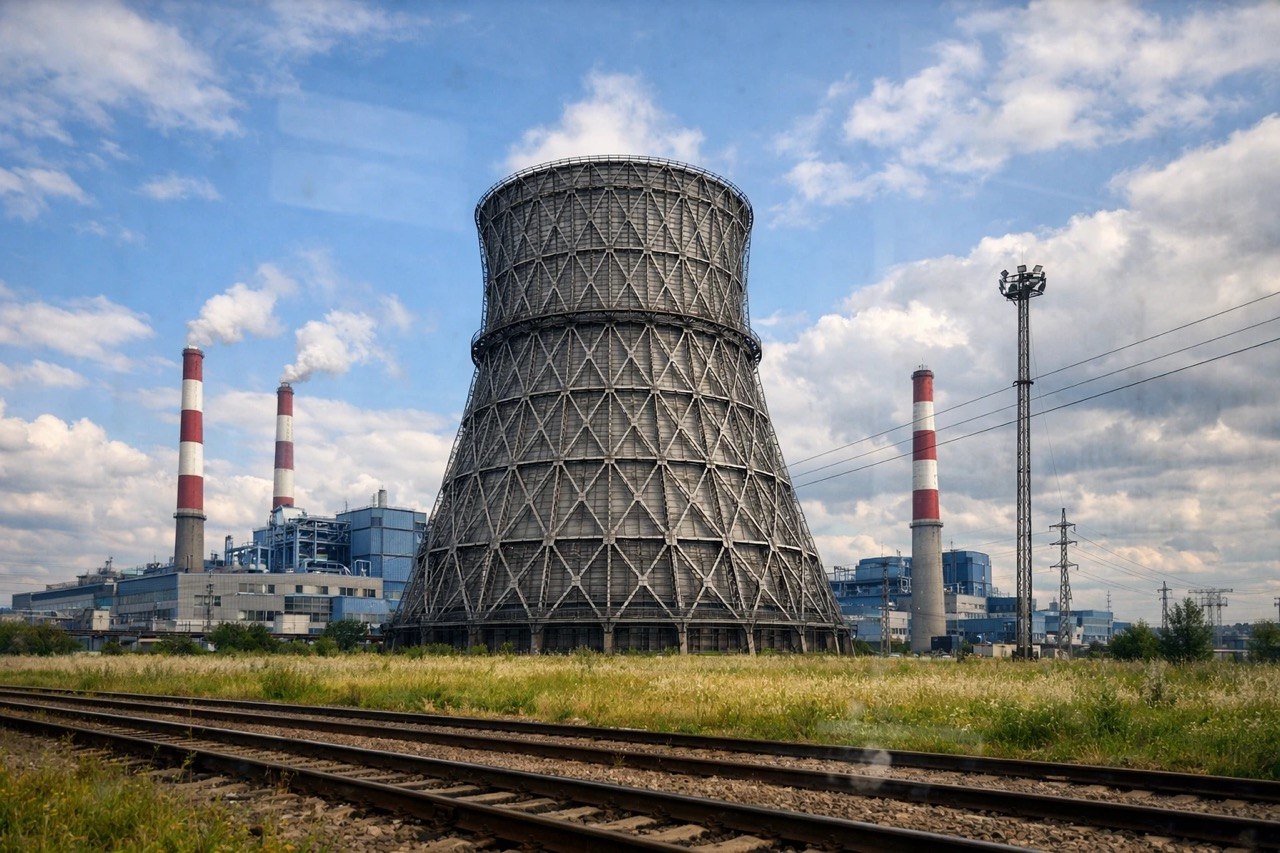 |
|---|
| Original | Promptography |
It is more correct to call this approach Photo-Conditioned Promptography. In it, the path from light to image lies through text and our common symbolic model of the world.
Bonus 2 - Photos from the presentation of the Soviet Photo magazine
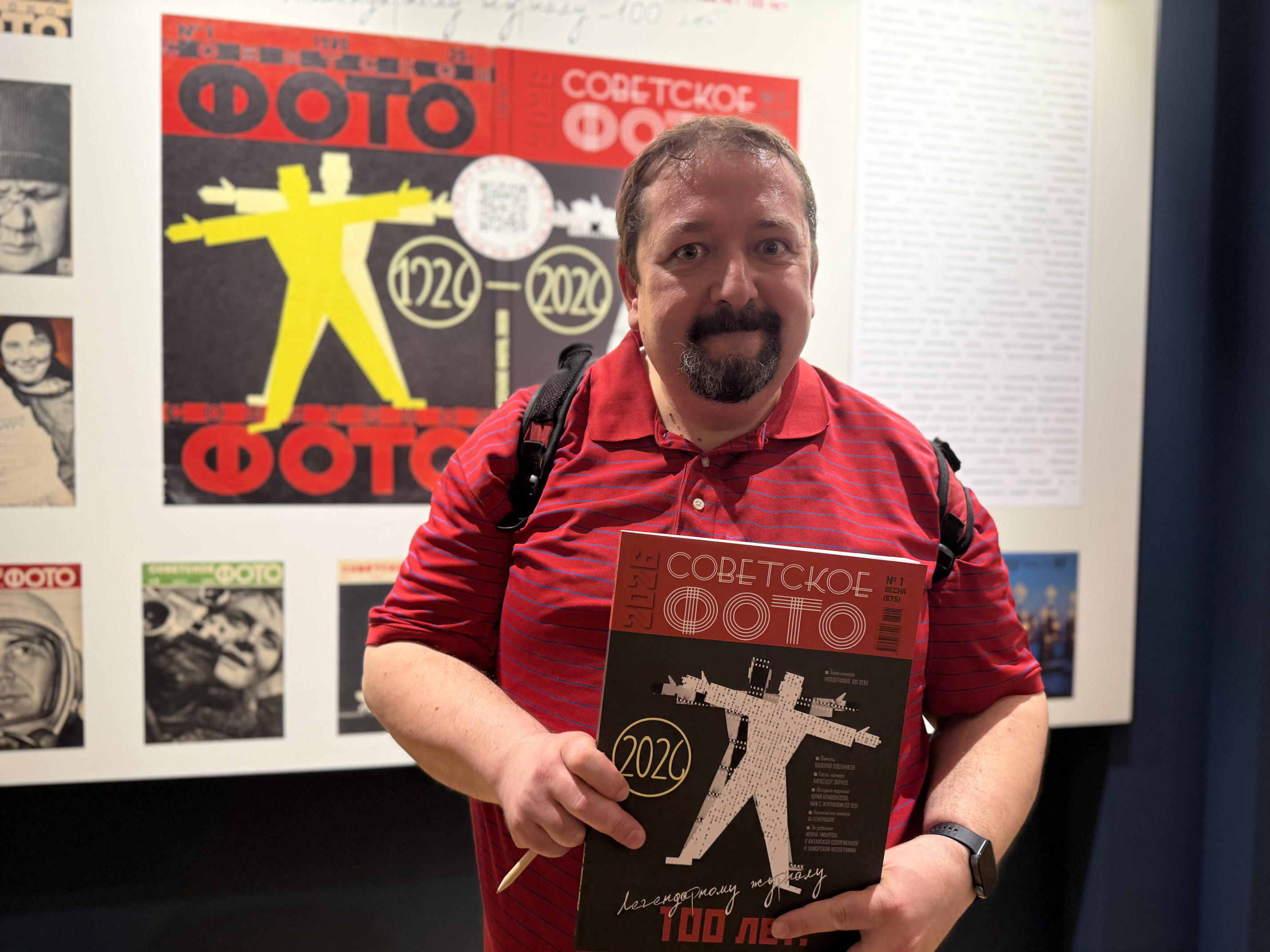 | 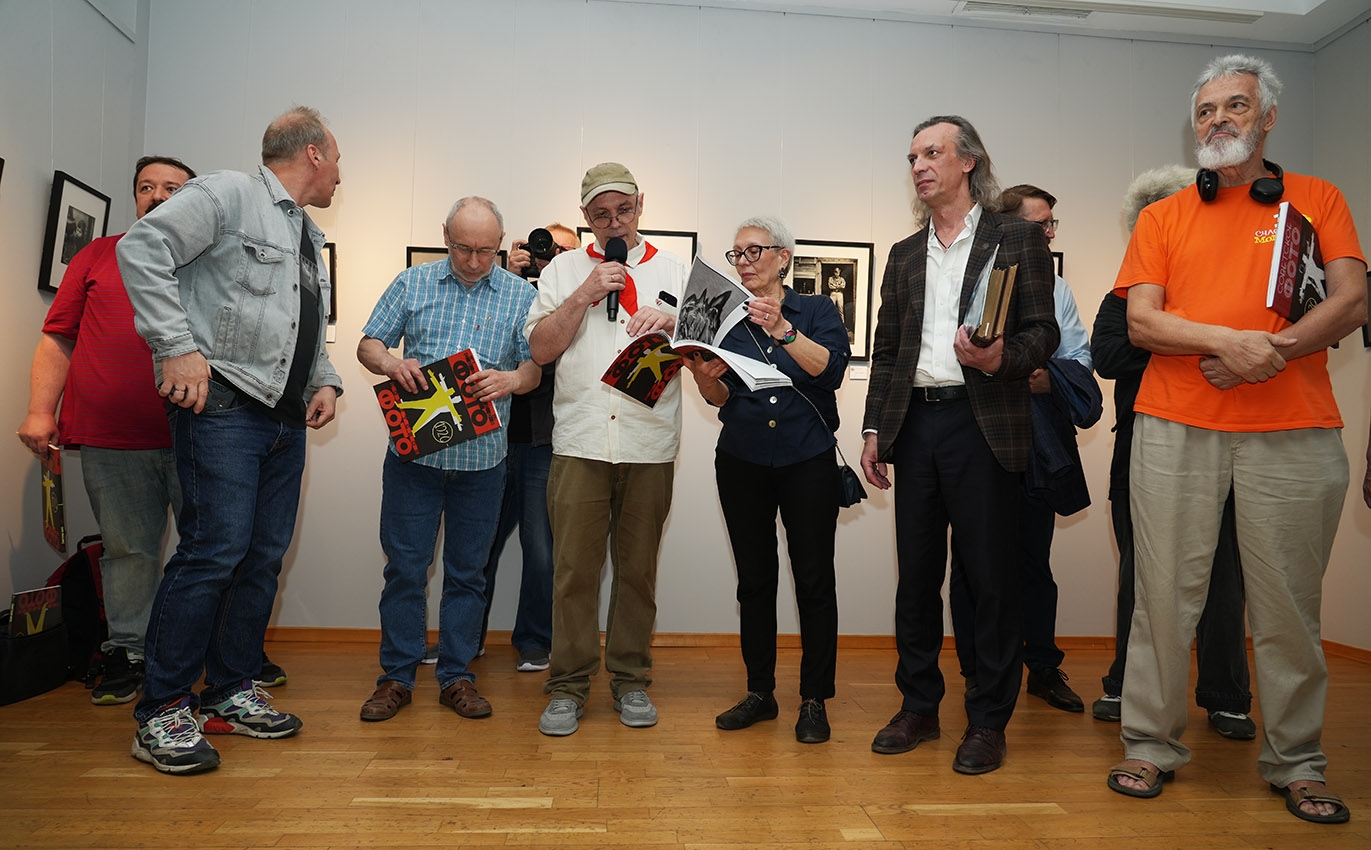 |
| At the presentation of the first issue of the new magazine Soviet Photo | People involved in the appearance of the first issue (photo: Igor Dremin) |
